In the western world, most of us don’t worry about starvation or keeping a roof over our heads on a daily basis. We are relatively safe, however, extreme sports are booming.
Some figures show participation growth rates in ultra running from a 345% increase worldwide to over 772% increase focusing on the USA with compound annual growth rates of nearly 10% predicted from 2025 to 2033. Over this time of participation growth, the actual pace has been decreasing. This suggests that more beginners like me have been taken to the sport, probably for the challenge.
The question is why?
These are my thoughts, some of the reasons I started to run and others are reasons I’ve picked up from other runners I’ve come across.
During the covid pandemic I decided to I needed to lose weight and get fit. I was 23 1/2 stone at the time and I this was a wake-up call to my own mortality. So I did a lot of cycling and a lot of dieting and eventually lost the weight to be around 14 stone but cycling is not ultra running and in fact my first thought after cycling was to get involved with triathlon, I even did a sprint race.
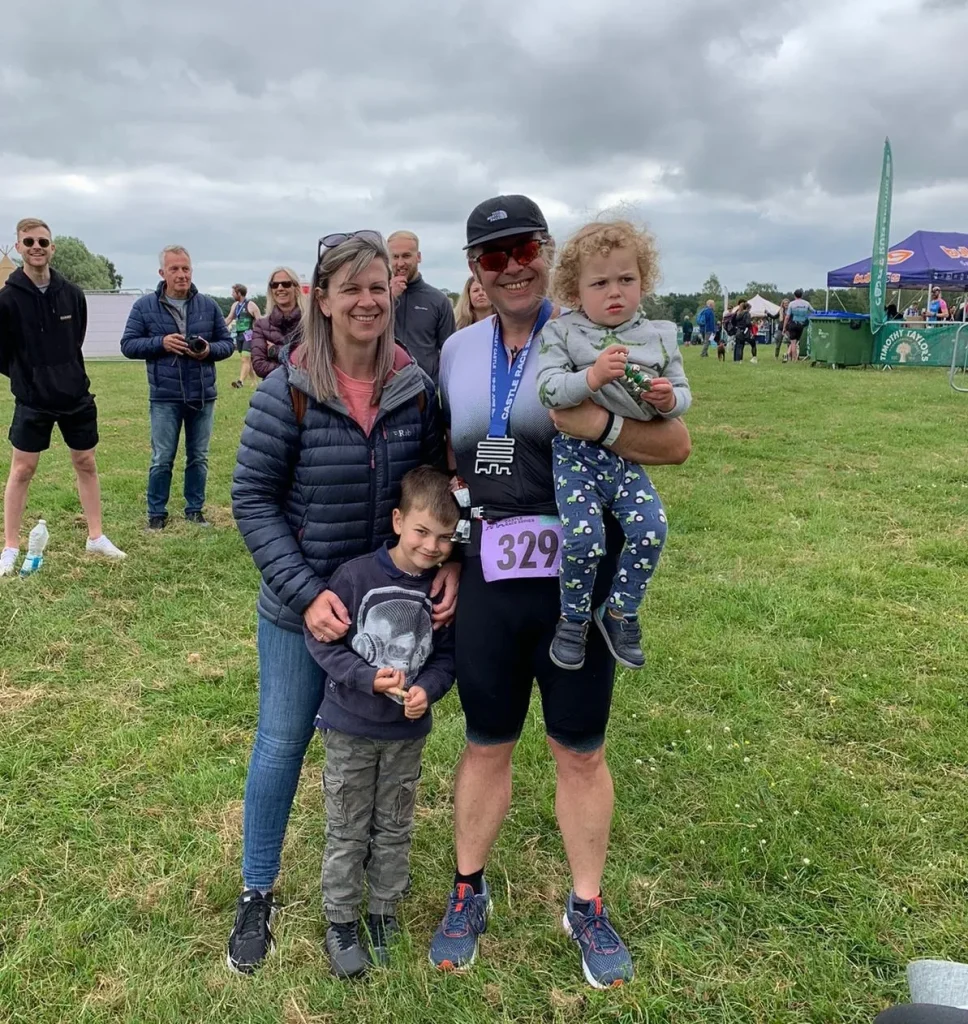
But I wasn’t captivated by it, for me it didn’t have the adventure I craved for, and if it didn’t captivate me I wouldn’t stick with it and I didn’t want to weigh over 23 stone again
This is when I stumbled across mountain running. I love being in the mountains so why not run in them and see more of them? I was consumed by it, I saw people in races and I made it to goal to see if I could do that from 23 1/2 stone to the 100 kilometres of UTS 100 “Ultra trail Snowdonia” with the tagline “beautiful beyond belief Savage beyond Reason”, to some that would be terrifying and that is the point. I also found it terrifying but it was something I could work towards and I believed the result was in my hands.
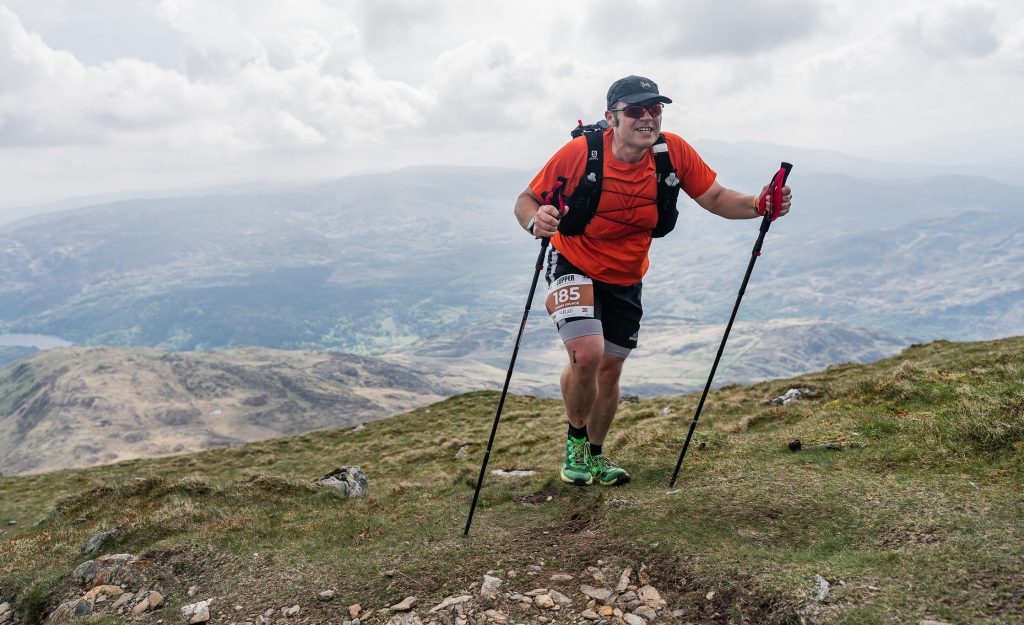
So to the point, I think we all need a goal that requires significant struggle. Work for many has become attendance-based or the struggle isn’t physical. It doesn’t physically hurt us or push us way outside of our comfort zones. I think in a world where life is getting more comfortable we crave something to push us harder, to put us in that struggle zone or as endurance athletes call it the “pain cave”. I also don’t think this is to do with community, although for some it can be a motivating factor. Running can be a very solidarity experience, I’ve done 50 km training runs in the mountains and not seen a soul. These have been some of my best days out. Others say they love running. Let’s be clear. I do not love running. I find it hard. I’m not a natural runner. I can be in pain for days after a tough run but that is why I do it. I love the challenge. I love that it’s hard and I fear the alternatives. A comfortable sedatory and potentially short and unhealthy lifespan at home. I want to show my kids or anybody who wants to follow me that you can turn things around. You can do extraordinary things, if you embrace the pain and the struggle. Do the things that tear us down and then rebuild a stronger version of ourselves.
So in my case let’s look at what the struggle actually is. Most people think that the struggle is the event itself, in this case, the 100 km race and although this is incredibly hard and challenging, it isn’t the struggle. It’s the challenge that your struggle gives you permission to play.
For ultra running, you can say the training is your struggle. You really need to be consistent. This means training nearly every day, often twice a day. I try to train 6 days a week and look to include two to three additional strength sessions. Training runs or cycles usually lasts at least an hour with a long run once a week, which is often a lot lot longer. So the real struggle is time and often procrastination
So with time you probably have a full-time job and training is like working another part-time job on top of your day job. Probably 10 to 20 hours a week and that is just to get onto the start line. Then you need to fit in family life and all those unexpected events. Huge sacrifices have to be made by yourself and usually your family for instance not going out every Friday night and trying to squeeze in training sessions early in the morning or late at night, while still trying to get enough sleep to recover properly.
Then when you think you’ve got the routine sorted the procrastination can hit you. You know the thoughts, it’s raining, it’s snowing. It’s dark all those thoughts designed to keep you indoors and not training. These are the struggles that we need to overcome just to get onto the start line. However, the good news is once you start a training session, you nearly always feel better afterwards.
So after all this and the sacrifices that have been made is the struggle worth it, I can say from my perspective, yes definitely, you get setbacks, you get huge disappointments, you can dnf races, you can get injured, but the mentality to just keep going and the persistence is definitely a quality that is beneficial and has helped me enormously. I also made the decision I never want to be 23 1/2 stone again, so the focus on having a goal, a race, or an adventure that I want to achieve is huge motivation to keep me on the right track. It is also important to remember that the journey is just as important as the destination.
I am currently in the middle of another painful long struggle to fully embrace but more on that another time.